Select product family
Feeding bottles, pacifiers, teethers, sippy cups, and plush comfort toys each carry different material and use expectations. Mam separates the pathway before documents are requested.
This page uses the manifest's before-and-after structure to show how Mam turns broad baby product claims into traceable safety decisions. The focus is documentation, material clarity, age grading, and product-use evidence.
The original schema calls this a calculator layout; Mam adapts that structure into a product review worksheet. Teams can start with the product family, age stage, and use routine, then identify the safety file that should be requested before launch.
Feeding bottles, pacifiers, teethers, sippy cups, and plush comfort toys each carry different material and use expectations. Mam separates the pathway before documents are requested.
Newborn, infant, toddler, and preschool applications affect wording, small-parts review, cleaning language, and how a product should be presented to caregivers.
Common checkpoints include ASTM F963, CPSIA, EN71, BPA-free declarations, migration screening, seam security, and packaging caution review where relevant.
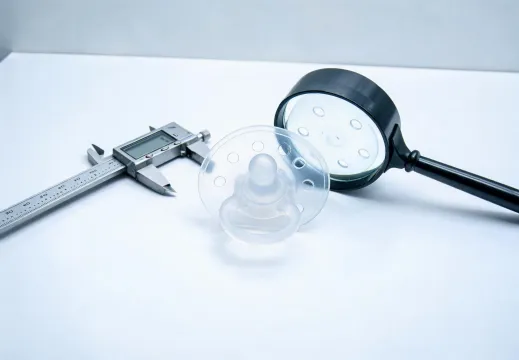
Age stage, shield ventilation, material contact, and cleaning guidance are checked together so the product story remains specific and useful.
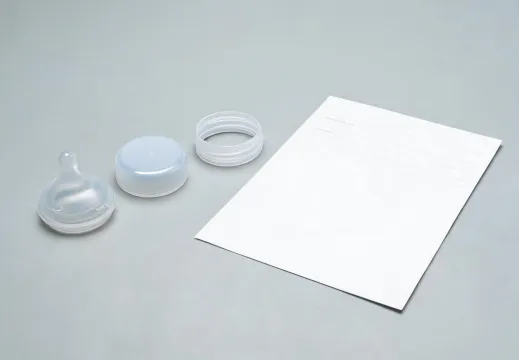
Families and retail buyers need to know what touches milk, what can be sterilized, and which replacement parts belong with each flow stage.

Soft toys are reviewed for stitched details, seam strength, filling description, and care instructions before they are positioned for gifting.
Share the product family, target age, and market. Mam can help identify the standards, material statements, and care language that should be reviewed before publication.