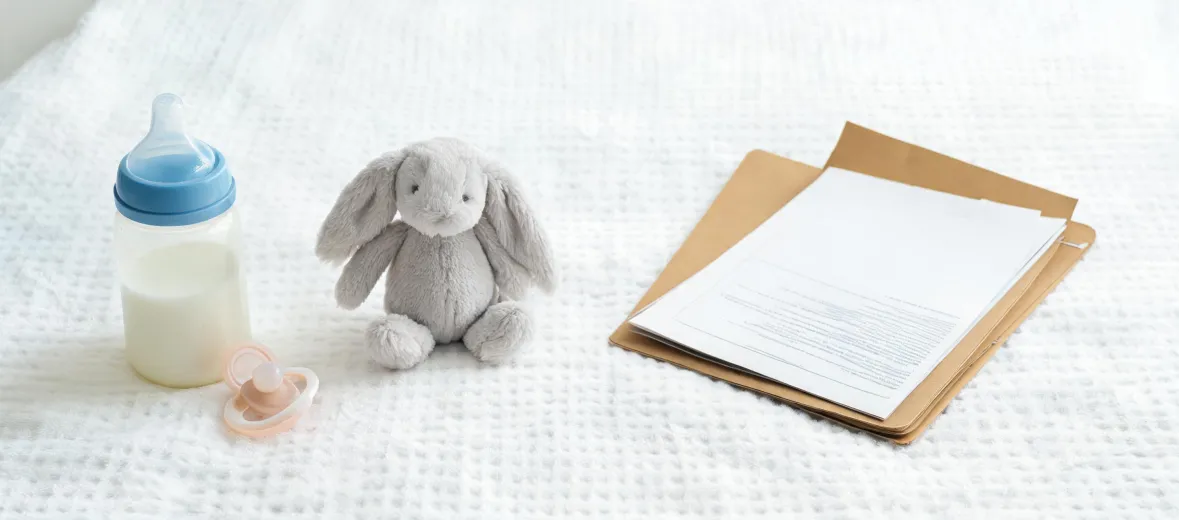
Yes, the mam Welcome to the World Newborn Gift Set is worth considering for a newborn, but only after you check how easy its pieces are to clean and sanitize. The reason this matters is not optional: after a CDC investigation traced a Cronobacter infection to a contaminated breast pump part and led to an infant's death, health authorities tightened the rules for cleaning anything that touches a baby's mouth. That includes pacifiers and bottle nipples. So the real test for any gift set is not how many items it contains, but whether each piece can be washed thoroughly, dried completely, and sterilized without extra hassle. If the mam set passes that test, it offers a coordinated, convenient starter package for parents who value hygiene and simplicity. If it fails, the gift becomes a daily source of worry. Therefore, the short answer is yes with conditions: buy it for a 0-3 month old when cleaning ease is a top priority, and skip it if you are not ready for a daily sanitizing routine.
Decide in 30 Seconds: Is This Gift Set Right for Your Newborn?
The hygiene lens changes how you judge a gift set. Before the CDC released its updated cleaning guidance, many parents assumed that a quick rinse with warm water was enough for pacifiers and bottle parts. The agency's investigation into the death of a premature infant born at 29 weeks showed that bacteria like Cronobacter can survive in milk residue and cause severe infections. As a result, the CDC now recommends cleaning infant feeding items daily and sanitizing them at least once daily for newborns under 2 months, premature babies, or those with weak immune systems. That recommendation turns a seemingly simple pacifier into a product that must tolerate boiling, steaming, or chemical sterilization without breaking down. So when you evaluate the mam Welcome to the World set, you are not just checking comfort and style; you are checking whether the design supports a strict cleaning routine. The case evidence directly shifts the buying criteria from 'how many pieces' to 'how easily each piece can be sanitized'.
Now refine the question: is this set right for your specific newborn? The answer depends on your baby's age and your daily cleaning habits. The CDC's line is to clean items daily and to add a daily sanitizing step for babies under 2 months, premature infants, or those with weakened immune systems. That means you need to know whether the set's pieces can survive frequent high-heat sanitizing. Look at the pacifiers: are they one-piece silicone or do they have a separate shield that can trap water? Check the bottles: do the nipples and collars come apart easily and reach every groove? If any part cannot be fully immersed or air-dried, it becomes a breeding ground for bacteria. So before you add this set to your registry, ask whether you are ready for a daily wash-sanitize-dry cycle. If yes, the set's convenience is a real benefit; if no, a simpler set with fewer mouth-contact pieces may be the smarter gift for your family.
Why mam? Brand and Hygiene Basics
Why does the brand matter for such a simple product? Because a brand's design choices determine how easily you can meet the hygiene standard that health authorities set. The Cronobacter case that triggered the CDC update shows what happens when cleaning is neglected: bacteria multiply quickly in milk residue and can sicken a vulnerable newborn. For a brand like mam, that translates into practical requirements: pacifiers should have a symmetrical, one-piece design that rinses clean; vents should not trap moisture; and materials should tolerate repeated sterilization. Parenting resources that covered the CDC update emphasized that the old habit of rinsing and refrigerating is no longer acceptable; every item that touches milk or saliva needs a real wash and a sanitizing step. When you look at the mam Welcome to the World set, you are choosing a design philosophy as much as a product. A thoughtful design reduces daily cleaning effort, while a careless one turns every feeding into a chore. So the brand's reputation is a signal, but the specific product's geometry is the proof.
Does the mam set actually deliver that cleanability? Honestly, you need to inspect the specific pieces before you commit. Look for pacifiers with a one-piece construction, because a two-piece pacifier with a separate shield creates a seam where liquid can pool. Check whether the bottles are compatible with common sterilizers and whether the vent system is easy to poke clean. The welcome set usually bundles a few baby essentials, but the brand's reputation alone cannot tell you whether the included nipple flow rate suits a 0-3 month old or whether the bottle design works for your chosen feeding method. So treat the box as a starting point and verify each component against your own priorities: stage-appropriateness, ease of cleaning, and compatibility with your sterilizing equipment. If any piece fails those checks, that piece will end up unused or become a hygiene risk. That is why the unboxing moment is the right moment to test, not to assume.
A common mistake is assuming any pacifier from a reliable brand is essentially the same as any other. That assumption falls apart when you bring the CDC's cleaning guidance into the picture. The agency sets the bar at daily sanitizing for babies under 2 months, premature infants, or those with weakened immune systems, and at minimum daily cleaning for older babies. Pacifiers are mouth-contact items, so they fall under that rule. But pacifiers differ in how deeply they can be cleaned: some have a shield with deep recesses, some have a one-piece silicone body, and some are made of latex, which can degrade under repeated boiling. The mam set, like any other, should be judged by whether its specific materials and shape allow a thorough clean-and-dry cycle without trapping moisture. If you cannot easily see and reach every surface that touches the mouth, then the pacifier is not a good fit for daily sanitation. The CDC evidence does not single out a brand; it sets a floor that every pacifier must meet.
What's Inside and How to Evaluate the Set
Here is a practical checklist for evaluating the contents of any newborn gift set, including this one. Start with stage fit: a newborn set should be labeled for 0-3 months, and the nipples should have a slow flow that works for a breastfed or bottle-fed newborn. Then move to cleanability: every piece that touches milk or saliva needs to be easy to dismantle, rinse, and dry. The sterilizing guidance for pump parts carries over to pacifiers and bottle nipples: a daily sanitizing pass gives extra germ removal, especially for babies under 2 months. So test the disassembly in your mind: can you pop out the valve, open the collar, and reach the bottom of the nipple without a brush? Does the pacifier have a symmetrical shape that will not collect water in a deep well? Those details decide whether a generous-looking set becomes a daily burden. A set that looks abundant but hides humid corners will fail you exactly when you are sleep-deprived.
The biggest trap in gift-set shopping is equating piece count with value. A box with twelve assorted items looks impressive, but if half of them are for a 6-month-old or are impossible to sterilize, the actual newborn value drops sharply. The right question is not 'How many?', but 'How many will this baby use in the first three months, and how easily can I keep them clean?' A pacifier that cannot be boiled is a hazard, not a bonus. A bottle nipple that hides milk residue in a vent becomes a bacterial risk. So when you open the mam Welcome to the World set, count the pieces that are truly newborn-safe and mouth-contact-ready, and mentally subtract anything that fails the cleaning test. That corrected count is the real value of the gift. You are buying a hygiene system, not a pile of plastic. A smaller set that is easy to maintain beats a large set that spends most of its time in the drawer.
Match the Set to Your Family's Routine
Your family's routine decides whether this set makes sense. Build the decision around three variables: your baby's age, your feeding method, and how much time you can commit to cleaning. If your baby is under 2 months, born premature, or has a weak immune system, the CDC's recommendation is daily sanitizing, not just washing. That pushes you toward a set with pieces that survive high heat and dry quickly. If you breastfeed directly and only use pacifiers occasionally, the cleaning burden is lighter, but you still need a pacifier design that rinses clean in seconds. If you bottle-feed, you want bottles with a small number of parts, because each extra ring, valve, and collar adds time to the wash cycle. The mam set can satisfy those conditions if the included pacifier is one-piece and the bottles have few parts; if not, a smaller curated bundle may fit your routine better. The point is to match the product to your actual life, not to a Pinterest board.
Picture your actual day: do you have a sterilizer running on the counter, or are you washing by hand in the sink? For a family that uses a microwave sterilizer bag, the winning gift set is one where every mouth-contact item can go into the bag without a fuss. For a family that hand-washes, smooth surfaces and removable valves become essential. So before you buy, run a mental simulation: the baby finishes a bottle at 2 a.m., and you need to clean the parts quickly. Can you rinse, wash, and set them to dry in five minutes, or are you dismantling a four-part contraption with a brush? If the mam set passes your simulated 2 a.m. test, it is a reasonable choice; if it fails, you will resent the gift every single day. The decision is less about the brand and more about your own tolerance for fiddly components at 3 in the morning. That is why a routine-compatible set feels like a gift, and a mismatched one feels like a chore.
Weighing a Gift Set vs. Buying Pieces
When you weigh a ready-made gift set against buying pieces separately, keep four lenses in mind: cost, piece count, hygiene, and stage fit. The CDC's core message is that germs grow quickly in milk residue, so the hygiene lens is non-negotiable. A set wins on convenience because everything arrives coordinated and the packaging is gift-ready, which matters if you are a shower guest who does not know the parent's exact pump model or bottle preference. But a set loses if any of its components are superfluous or hard to sterilize. Buying pieces individually lets you choose exactly the nipple flow, pacifier design, and bottle capacity the family needs, but it takes more research and often costs more. For a newborn, the ideal is a small bundle of high-cleanability essentials; the mam Welcome to the World set aims for that sweet spot, but you still need to confirm the included pieces meet your specific standards.
When does the set make more sense than separate purchases? The strongest case is when you are shopping for someone else and you do not know their exact preferences. A gift set acts like a curated starter kit, giving the parents a few reliable pieces to test without the stress of matching a registry. The weakest case is when you are the parent and you already know that your baby needs a special nipple for reflux, or that your sterilizer only fits certain bottle shapes. In that situation, individual pieces beat the set because you can customize. Also consider the timing: if the baby is already past 3 months, the newborn-specific pacifier sizes in a 'newborn' set may be too small, so you end up buying another set anyway. The set is a smart purchase for a shower gift, an emergency backup, or a brand-new parent who wants a single box to open and use immediately; it is a poor purchase for a parent with strong preferences or an older baby. Use your knowledge of the family's routine to decide.
Verdict: Who Should Buy This Set
Here is the verdict: buy the mam Welcome to the World Newborn Gift Set if you are shopping for a baby who is 0 to 3 months old and the parents prioritize hygiene and convenience above personalization. The CDC's response to the Cronobacter case makes one point unmistakable: mouth-contact items must be cleanable, and a set that simplifies that routine has real value. This set can deliver that value if its pacifiers and bottles are easy to disassemble, sanitize, and dry, so verify those details at the store or online. It also works well as a coordinated gift because the box gives new parents a clear starting point instead of a pile of mismatched parts. The short answer is a confident yes, but it is a yes conditioned on the cleaning test. When the alternative is a large set with parts that cannot be boiled or a bunch of items the baby will not use for months, the mam set wins by staying small, practical, and hygienic.
The set is not the right choice for every family. Skip it if the baby is already older than 3 months, because the pacifier sizes and bottle nipples may no longer match the baby's oral development and flow needs. Skip it if the parents have a strong preference for a specific bottle brand or a therapeutic nipple, because the set's components may not align with a pediatrician's recommendation. And skip it if the parents are not prepared for a daily cleaning-and-sanitizing routine, because even the best-designed set cannot compensate for skipped hygiene; the CDC's guidance is clear that sanitizing matters for newborns under 2 months. For everyone else, the set is a practical, hygienically-sound gift that respects the most important rule of newborn care: anything that goes into the mouth must be clean. Those boundaries are exactly what separate a useful gift from a shelf ornament. If the parents already own a sterilizer and a good bottle brush, the set integrates effortlessly into their existing routine.
The mam Welcome to the World Newborn Gift Set is a practical choice when hygiene and convenience lead your priorities, but the final decision always comes back to cleaning ease and stage fit.